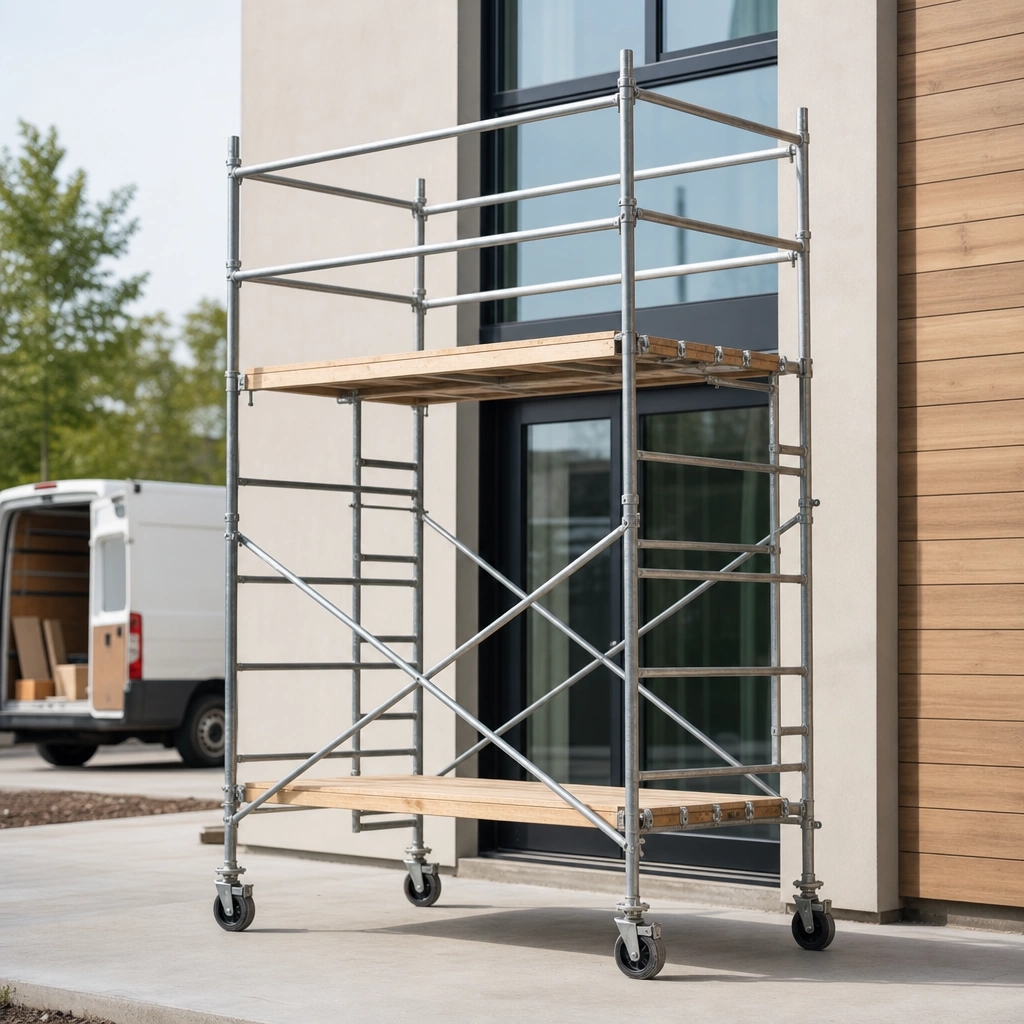
What to Know Before Buying Used Scaffolding for Sale
Thinking about buying used scaffolding for sale? It’s a smart move if you want reliable equipment at a lower cost, but there are a few key things to consider first.
What Used Scaffolding Is
Used scaffolding refers to secondhand scaffolding equipment that has been previously owned and used on construction sites or rental fleets. It includes all the essential parts like frames, platforms, and joints, which can still be in good condition if inspected properly. Many buyers look for affordable used scaffolding or used scaffolding with warranty to save money while maintaining safety.
New vs. Used Scaffolding
- New scaffolding comes fresh from the manufacturer, offering the latest safety features and longer lifespan.
- Used scaffolding is more budget-friendly and readily available, especially from local marketplaces or online stores. However, it requires careful inspection to ensure safety and durability.
Common Types of Used Scaffolding
- Steel scaffolding: Heavy-duty and durable, ideal for industrial projects.
- Aluminum scaffolding: Lighter and easier to handle, perfect for quick setups and lighter loads.
- Frame scaffolding: The most common type, easy to assemble and disassemble.
- Tube and clamp scaffolding: Flexible for complex structures, often found secondhand.
Where Used Scaffolding Usually Comes From
Used scaffolding often comes from:
- Construction companies upgrading their equipment.
- Rental companies selling off older stock.
- Contractors clearing out surplus gear.
- Online marketplaces and local construction scaffolding marketplaces offering cheap used scaffolding online or used scaffolding for sale near me.
Before buying, always verify the source to ensure you’re getting reliable used scaffold suppliers and equipment that meets secondhand scaffolding safety standards.
Why Buy Used Scaffolding for Sale
Choosing used scaffolding for sale can be a smart move for many reasons. First, it’s usually much more affordable than buying new. Whether you’re a small contractor or a DIY enthusiast, saving money on heavy-duty used scaffolding equipment helps keep your project within budget.
Second, buying secondhand scaffolding is an eco-friendly choice. Reusing equipment reduces waste and minimizes environmental impact, making it a responsible option for those who care about sustainability.
Third, used scaffolding is often easy to find. Local construction marketplaces, online platforms, and reliable used scaffold suppliers make it simple to locate affordable used scaffolding near you.
Finally, if the used scaffolding is well maintained, it can offer great value. Good quality secondhand scaffolding, whether steel or aluminum, can last for years if inspected properly before purchase. This makes it a reliable and cost-effective solution for your building or maintenance needs.
How to Check Used Scaffolding Before You Buy
When shopping for used scaffolding for sale near me, it’s crucial to do a proper inspection. You want reliable used scaffold suppliers that provide safe and durable equipment. Here’s what to look for:
Safety Standards and Local Compliance
Make sure the used scaffolding meets safety standards like OSHA or local regulations. Look for certification or approval marks on the equipment. If it’s compliant, it’s safer to use on-site and reduces your liability.
Signs of Rust, Damage, or Corrosion
Inspect all parts for rust or corrosion, especially if you’re considering steel scaffolding secondhand. Rust can weaken the structure and cause safety issues. Avoid any scaffolding with significant damage or corrosion.
Material Quality: Steel vs. Aluminum
Decide whether steel or aluminum scaffolding is better for your needs. Steel is heavy-duty and durable but can rust if not maintained. Aluminum is lighter and easier to handle, often used for quick setups. Check for used scaffolding with quality materials.
Joints, Frames, and Platform Wear
Check all joints and frames for cracks, bends, or signs of wear. The platforms should be solid, without warping or damage. Worn-out parts can compromise stability and safety.
Load Capacity, Height, and Footprint
Verify the load capacity to ensure it can handle your project’s weight. Confirm the maximum height and footprint to fit your work area. This info is usually on the label or in the product specs.
Brand Reputation and Durability
Buy from trusted brands known for durability and safety. Well-known brands often come with better warranties and easier access to spare parts.
Price, Warranty, and Return Policy
Compare prices of used scaffolding with warranty options. A good warranty offers peace of mind, especially when buying secondhand. Check the return policy in case the equipment doesn’t meet your expectations.
By carefully inspecting these factors, you can find reliable used scaffolding that’s safe, affordable, and ready for your project.
Where to Find Used Scaffolding for Sale
Looking for used scaffolding for sale near me? Your best options are local classified ads, construction and rental companies, online marketplaces, and specialized equipment resellers. These sources often have a good selection of affordable used scaffolding, including steel scaffolding secondhand and aluminum scaffolding used prices.
Local Classified Ads
Check local newspapers or online classified sites. Many small contractors or individuals sell used scaffolding directly, often at a lower price. It’s a quick way to find reliable used scaffold suppliers nearby.
Construction and Rental Companies
Many construction firms and rental companies sell off their older or surplus equipment. They usually offer well-maintained used scaffolding with warranty options. This is a good way to get heavy-duty used scaffolding equipment that meets safety standards.
Online Marketplaces
Websites like eBay, Facebook Marketplace, and specialized equipment platforms are popular for cheap used scaffolding online. You can compare prices, check seller reviews, and find deals on aluminum scaffolding used prices or complete sets.
Specialized Equipment Resellers
Some businesses focus only on selling secondhand scaffolding safety standards compliant. They often carry used scaffold accessories for sale and provide inspection reports. Buying from trusted resellers ensures you get reliable used scaffolding with warranty and good customer support.
Industry Referrals and Supplier Reviews
Ask industry contacts for recommendations. Many experienced builders or contractors will point you toward trusted local construction scaffolding marketplaces or reliable used scaffold suppliers. Reading reviews helps you avoid scams and find safe, quality used scaffolding deals.
Finding the right source depends on your budget and project needs. Always prioritize safety and quality when choosing used scaffolding for sale.
Used Scaffolding Safety Tips
When buying used scaffolding for sale, safety should always come first. Here’s what I recommend to keep everything secure and compliant:
-
Inspect before purchase: Always check used scaffolding thoroughly. Look for rust, damage, or bent parts. Make sure joints and frames are in good shape and that the platform is stable. It’s worth asking for an inspection checklist to guide you.
-
Test and certify before use: Once you’ve bought used scaffolding, have it tested by a professional. Ensure it meets local safety standards and has the necessary certification. Never use scaffolding that isn’t certified or has questionable safety records.
-
Follow local safety rules: Every region has its own rules, like OSHA in the US or local construction codes elsewhere. Make sure your used scaffolding setup complies with these regulations to avoid fines or accidents.
-
Train workers properly: Proper training is key. Make sure everyone on site knows how to assemble, use, and disassemble the scaffolding safely. This reduces the risk of falls or structural failure.
-
Keep up with regular maintenance: Routine checks and maintenance are vital. Clean off dirt and debris, tighten loose parts, and replace worn-out components. Regular upkeep extends the life of your used scaffolding and keeps it safe to use.
Following these simple safety tips helps protect your team and ensures your used scaffolding remains a reliable part of your project.
Used Scaffolding Pricing and Budget Tips
When shopping for used scaffolding for sale near me, understanding what affects the price can help you get the best deal. Several factors influence the cost of secondhand scaffolding, including its type, condition, and brand reputation.
What affects the price?
- Type of scaffolding: Steel scaffolding tends to be more durable and expensive than aluminum, but it also lasts longer.
- Condition: Well-maintained used scaffolding with minimal rust or damage will cost more but offers better safety and reliability.
- Age and wear: Older equipment with signs of wear or corrosion is usually cheaper but might need repairs.
- Complete sets vs. individual parts: Buying a full set of used scaffolding often costs less per piece than purchasing items separately.
- Brand reputation: Trusted brands with a history of durability and safety standards tend to command higher prices.
Tips for budget-friendly buying:
- Negotiate: Don’t be afraid to haggle with local construction or rental companies or specialized equipment resellers. They often have some wiggle room.
- Consider leasing: If you only need scaffolding temporarily, leasing might be a smarter choice than buying used, especially if you want the latest safety features.
- Look for deals: Check online marketplaces and local classifieds for affordable used scaffolding with warranty or guarantees.
Extra tip: Always compare prices across different sources and keep an eye on the total cost, including delivery or setup fees. Getting good value means balancing price with safety and quality.
How to Maintain and Store Used Scaffolding
Keeping your used scaffolding in good shape is key to safety and longevity. Here’s what I do to stay on top of maintenance and storage:
Routine Inspections
- Check for any signs of rust, damage, or corrosion before each use.
- Look at joints, frames, and platforms for cracks or wear.
- Make sure all parts are secure and working properly.
Repairs and Part Replacement
- Replace any broken or worn-out parts immediately.
- Use reliable used scaffold accessories for sale to keep everything safe.
- Regularly tighten bolts and fasteners to prevent accidents.
Proper Storage
- Store scaffolding in a dry, covered area to avoid exposure to rain or moisture.
- Keep parts off the ground on pallets or racks to prevent rust.
- Organize equipment so it’s easy to access and inspect regularly.
Preventing Rust and Wear
- Apply anti-rust spray or paint on steel scaffolding to protect against corrosion.
- Aluminum scaffolding used prices tend to be lower-maintenance, but still need cleaning.
- Cover scaffolding when not in use to shield it from weather.
When to Upgrade or Replace Equipment
- If scaffolding shows significant rust, bent parts, or structural damage, it’s time to replace.
- Regularly review your used scaffolding safety standards and local compliance.
- Upgrading might be needed if your projects require heavier loads or taller heights.
Proper maintenance and storage of used scaffolding help ensure it remains safe, reliable, and compliant with safety regulations like OSHA. Regular checks and good care extend the life of your equipment and keep your team safe on-site.
Local Scaffolding Rules and Compliance
When buying used scaffolding for sale, it’s important to understand local rules and safety standards. Different countries and regions have specific regulations that must be followed to keep everyone safe on-site.
OSHA and Other Safety Regulations
In many places, OSHA (Occupational Safety and Health Administration) sets the safety rules for working at heights. If you’re in the US, your used scaffolding must meet OSHA standards for strength, stability, and safety features. Other countries have their own agencies and rules, so it’s crucial to check what applies locally.
Certification and Approval Marks
Always look for certification marks on used scaffolding. These marks show the equipment has been tested and approved according to safety standards. Common marks include CE (Europe), ANSI (US), or local safety certifications. These help ensure the scaffolding is reliable and safe to use.
Buyer Responsibilities
As a buyer, it’s your job to verify that the used scaffolding meets all safety and compliance rules before use. This includes inspecting for damage, checking certifications, and making sure it’s suitable for your project’s load and height needs. Proper documentation and records are also important, especially if you’re working on large or regulated sites.
Using Scaffolding Safely on-site
Once you’ve bought used scaffolding, follow all safety guidelines when using it. This means:
- Conducting regular inspections
- Ensuring the setup is stable and secure
- Providing proper training to workers
- Using safety gear like harnesses and helmets
- Keeping the scaffolding in good condition with routine maintenance
Following local rules and safety standards helps prevent accidents and keeps your team safe. Always stay updated with any new regulations or safety notices related to used scaffolding.
Get a Quote & Price List
Tell us the product, quantity and destination port — a sales engineer replies within 24 hours.