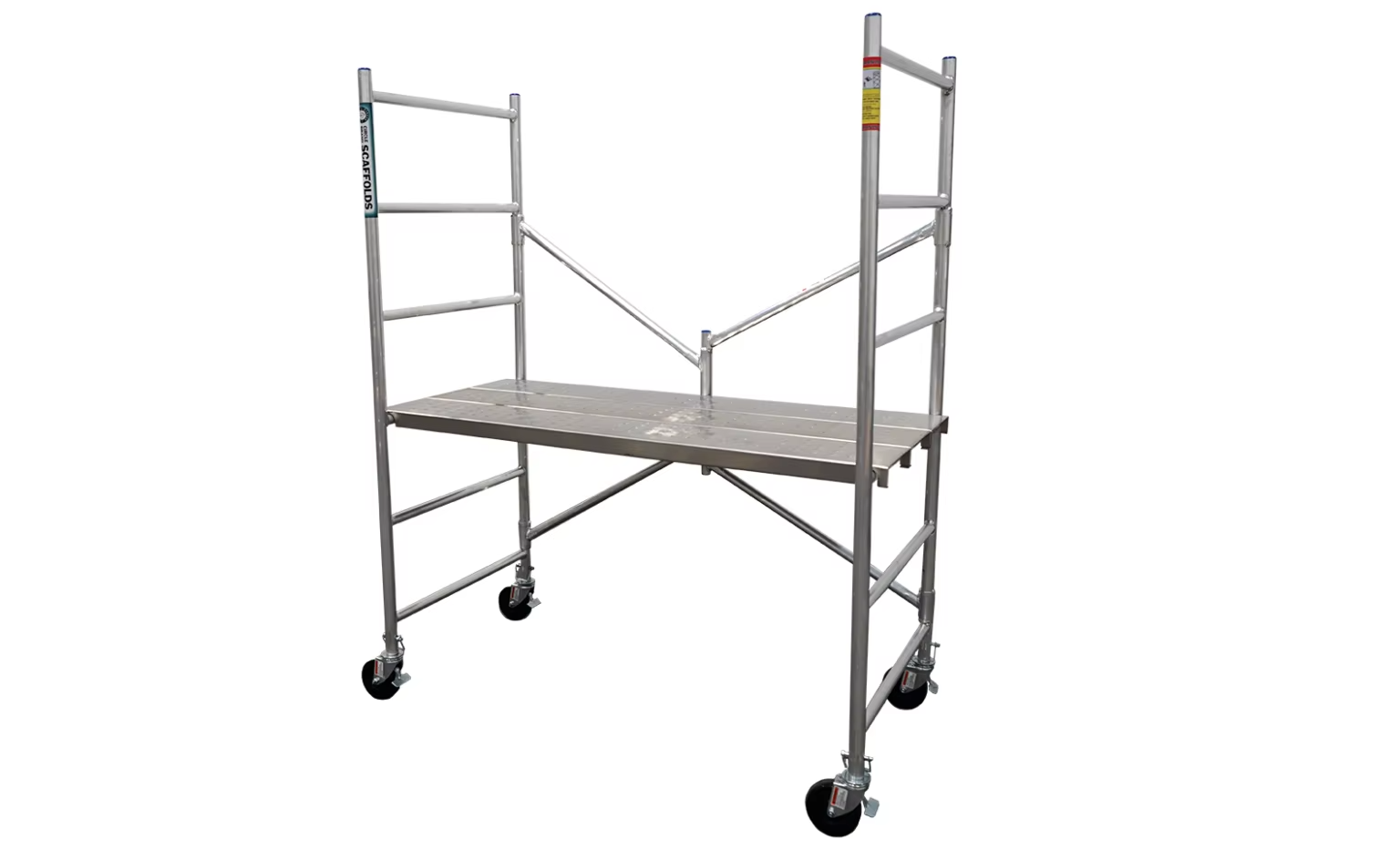
Have you ever wondered what makes Baker scaffolding stand out from other types of scaffolding? Simply put, Baker scaffolding is a type of lightweight mobile scaffold designed for convenience and versatility. It’s perfect for tasks that require quick setup, easy repositioning, and safe access at various heights. Unlike traditional construction scaffolding, Baker scaffolding is built to be portable, making it ideal for both DIY projects and professional jobs.
Lightweight Mobile Scaffold Basics
One of the main features of Baker scaffolding is its lightweight design. Made primarily from aluminum or steel, these scaffolds are easy to move around your workspace without heavy lifting. They’re designed to be portable, so you can quickly reposition them as needed—whether you’re painting indoors or doing repairs outside.
Rolling Scaffold Design and How It Works
Baker scaffolding typically features a rolling scaffold design. This means it has wheels or casters attached to the base, allowing you to roll it to different locations with minimal effort. The wheels usually lock in place to ensure stability when you’re working at height. This design makes it simple to move the scaffold for different tasks without dismantling or lifting heavy equipment.
Common Materials: Aluminum vs Steel
When choosing Baker scaffolding, you’ll notice two main material options:
- Aluminum: Lighter, easier to handle, and resistant to rust. Ideal for indoor use and lighter jobs.
- Steel: Stronger and more durable, suitable for heavy-duty tasks and outdoor environments where extra strength is needed.
Key Features: Adjustable Height, Wheels, and Platform Setup
Baker scaffolding comes with several key features to make your work safer and more efficient:
- Adjustable height: Easily change the platform height to suit your task.
- Wheels: Provide mobility, with locking mechanisms for safety.
- Platform setup: Stable, non-slip platforms for secure footing during work.
How Baker Scaffolding Differs from General Scaffolding
Compared to traditional scaffolding, Baker scaffolding is more compact, portable, and user-friendly. It’s designed for quick setup and repositioning, making it perfect for small projects, indoor work, or areas with limited space. While general scaffolding might be fixed or larger, Baker scaffolding offers flexibility and convenience for a wide range of tasks.
Types of Baker Scaffolding
When it comes to lightweight mobile scaffolding, there are several types of baker scaffolding designed to meet different needs.
Standard Rolling Baker Scaffolding
This is the most common type, featuring a lightweight aluminum or steel frame with wheels. It’s perfect for quick movement around a workspace, making tasks like painting or repairs easier and safer.
Multi-Level Scaffold Units
These are versatile scaffold towers that can be adjusted to different heights and stacked for multi-level work. They’re ideal for projects requiring multiple access points or working at varied elevations.
Indoor Baker Scaffolding
Designed specifically for indoor use, this type is lightweight and easy to maneuver through tight spaces. It often features smaller platforms and quieter wheels, perfect for interior painting, ceiling work, or electrical installations.
Outdoor Baker Scaffolding
Built for exterior projects, outdoor baker scaffolding is more durable and weather-resistant. It’s suitable for building maintenance, exterior repairs, or any outdoor construction work.
Compact Scaffold Options for Tight Spaces
For projects in narrow or confined areas, there are compact baker scaffolding options. These are smaller, easier to transport, and designed to fit where larger scaffolds can’t.
Material-Based Variations and Durability
Baker scaffolding comes mainly in aluminum or steel. Aluminum models are lighter and easier to move, but steel versions are typically more durable and suited for heavy-duty use.
Weight Capacity and Height Range
Different models offer various weight limits, from lighter loads for painting to heavier capacities for tools and supplies. Height ranges also vary from just a few feet to over 10 feet, depending on the project needs.
Custom Scaffold Configurations
Some baker scaffolding brands offer custom setups. You can choose specific heights, platform sizes, or add features like guardrails, making them adaptable for unique jobs.
This variety makes baker scaffolding a flexible choice for both DIYers and professionals, whether working indoors or outdoors, in tight spaces or at higher elevations.
Benefits of Baker Scaffolding
Baker scaffolding offers many advantages, making it a popular choice for both DIYers and professionals. Here’s why:
| Benefit | Details |
|---|---|
| Easy to move and reposition | Thanks to the lightweight design and wheels, you can quickly move it around your workspace or home. No heavy lifting needed. |
| Fast setup and simple assembly | It takes just minutes to put together, saving time on projects. No complicated tools or steps. |
| Safer than ladders for many tasks | Provides a stable platform, reducing the risk of falls compared to using a ladder. Ideal for painting, repairs, and maintenance. |
| Great for painting, repairs, and maintenance | Perfect height adjustment and easy access make it a go-to for home and commercial projects. |
| Cost-effective for DIY and professional use | Reusable and durable, it offers good value over time, whether you rent or buy. |
| Better access in small or indoor spaces | Compact and portable, it fits where ladders can’t, making indoor work easier. |
| Long-term value and reduced injury risk | Sturdy build and safety features help prevent accidents, saving money and time in the long run. |
Baker scaffolding combines mobility, safety, and affordability, making it a smart choice for a range of tasks.
How to Use Baker Scaffolding Safely
Using baker scaffolding safely is key to getting the job done without accidents. Here’s a simple guide to help you set up and operate your lightweight mobile scaffold properly.
Step-by-step assembly basics
- Start by inspecting all parts for damage or wear.
- Follow the manufacturer’s instructions for assembly.
- Make sure the scaffold is stable and level before use.
- Lock the wheels once the scaffold is in position to prevent movement.
Checking ground stability before use
- Always set your rolling scaffold on a flat, solid surface.
- Avoid soft, uneven, or sloped ground.
- Use levelers or base plates if available to ensure stability.
Locking wheels and securing the frame
- Engage wheel locks to keep the scaffold from rolling.
- Double-check that all locking mechanisms are fully engaged.
- Ensure the frame is securely assembled and all connections are tight.
Following weight limits and platform rules
- Never exceed the weight capacity listed for your scaffold.
- Distribute weight evenly across the platform.
- Use only approved tools and materials on the scaffold.
Using PPE for safer work at height
- Always wear a helmet, gloves, and non-slip shoes.
- Use harnesses or fall protection if working at higher levels.
- Follow local safety standards to stay protected.
Handling uneven surfaces and common setup issues
- Use adjustable legs or shims on uneven ground.
- Check for wobbling or instability during setup.
- Avoid using the scaffold if it feels unstable.
Safety checks before and during use
- Inspect wheels, locks, and platform for damage.
- Confirm all parts are properly secured.
- Keep the area around the scaffold clear of debris.
Cleaning and basic maintenance after use
- Wipe down the scaffold to remove dirt and debris.
- Check for rust or corrosion, especially on aluminum or steel.
- Store in a dry place to extend its lifespan.
- Regularly inspect and repair any worn or damaged parts.
By following these safety tips, you can make the most of your baker scaffolding while keeping everyone safe. Proper setup and regular checks are essential for reliable, safe use of your lightweight mobile scaffold.
Common Uses for Baker Scaffolding
Baker scaffolding is a versatile tool that fits many jobs, especially when you need a lightweight, mobile solution. It’s perfect for interior painting projects where you need to reach high walls or ceilings without the hassle of ladders. For exterior maintenance and repairs, baker scaffolding provides a stable platform that’s easy to move around the building, making tasks like siding work or window repairs much smoother.
Electrical and lighting work also benefit from this type of scaffolding. It allows electricians to work safely at height while maintaining good access to wiring and fixtures. Drywall and ceiling jobs are another common use, as the adjustable height and platform setup make installation and finishing easier.
Home renovation and DIY tasks often call for baker scaffolding because it’s simple to set up and reposition. Small construction projects and contractor work also rely on these lightweight, portable scaffolding units for quick access and safety. When working in confined spaces, baker scaffolding shines by offering a compact and flexible working platform.
Finally, scaffold towers are great for repeated access to the same area, saving time and effort during ongoing projects. Overall, baker scaffolding is a reliable choice for many tasks around the home or on small-scale construction sites.
Baker Scaffolding vs Other Options
When choosing between Baker scaffolding and other access tools, it’s important to understand how they compare in mobility, safety, cost, and best uses. Here’s a quick look at how Baker scaffolding stacks up against ladders, fixed scaffolding, and aerial lifts.
Mobility and Access
| Option | Mobility | Ease of Access | Best For |
|---|---|---|---|
| Baker scaffolding | Very mobile, easy to move around | Great for changing locations quickly | Indoor painting, repairs, small projects |
| Ladders | Portable but limited stability | Good for short, quick tasks | Small repairs, light work |
| Fixed scaffolding | Not mobile, permanent setup | Hard to move once installed | Large construction sites |
| Aerial lifts | Mobile but often requires setup | Good for high, hard-to-reach spots | Exterior building work, large projects |
Safety and Stability
| Option | Stability | Safety | Notes |
|---|---|---|---|
| Baker scaffolding | Very stable when set up properly | Safer than ladders for many tasks | Locking wheels, sturdy platforms |
| Ladders | Less stable, risk of falls | Higher risk if not used carefully | Best for short tasks |
| Fixed scaffolding | Very stable | Very safe, once installed | Suitable for long-term use |
| Aerial lifts | Stable but depends on equipment | Safe with trained operators | Best for high or hard-to-reach areas |
Cost and Convenience
| Option | Cost | Setup Time | Convenience |
|---|---|---|---|
| Baker scaffolding | Affordable, reusable | Quick to assemble and move | Very convenient for frequent access |
| Ladders | Low cost | Instant use | Great for quick, small jobs |
| Fixed scaffolding | High initial cost | Time-consuming setup | Not portable, best for large projects |
| Aerial lifts | Expensive | Takes time to set up | Ideal for specialized tasks |
Best Use Cases for Each
- Baker scaffolding: Ideal for DIY projects, interior painting, small repairs, and tasks needing frequent repositioning.
- Ladders: Best for quick, simple jobs at low heights.
- Fixed scaffolding: Suitable for large construction or long-term projects.
- Aerial lifts: Perfect for high-rise work, outdoor building, and industrial tasks.
Get a Quote & Price List
Tell us the product, quantity and destination port — a sales engineer replies within 24 hours.