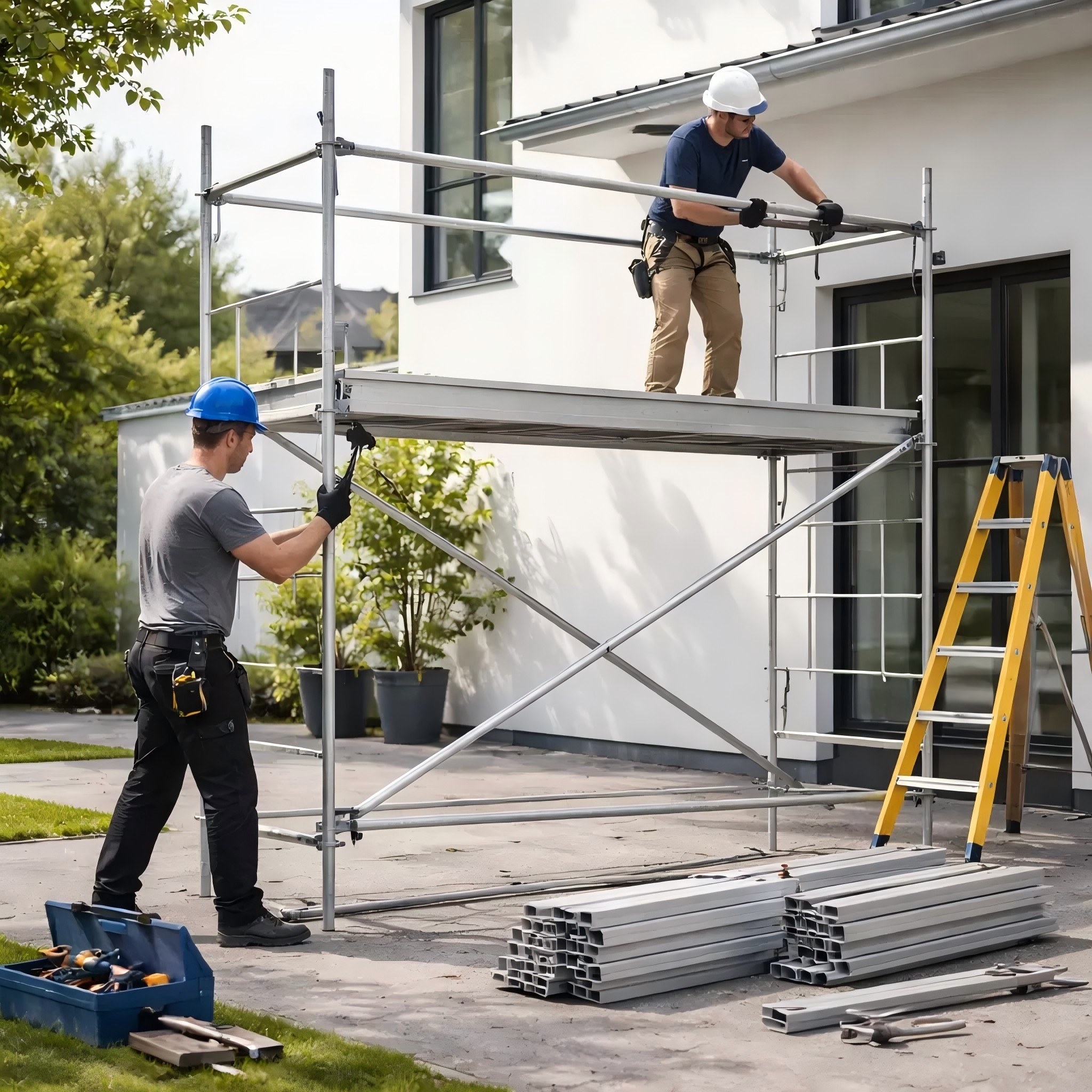
Are you navigating the complex world of construction scaffolding in the USA? Whether you’re a contractor, developer, or DIY enthusiast, choosing the right scaffolding can make or break your project’s safety, efficiency, and compliance. With strict OSHA regulations and a booming construction market, understanding the types, costs, and safety standards is more critical than ever. In this guide, you’ll discover everything you need to know—from rental versus purchase options to the latest industry trends—so you can make confident, informed decisions. Let’s get started!
What Is Construction Scaffolding and Why It’s Essential in the U.S.
Construction scaffolding is a temporary elevated platform that workers use to perform tasks at height safely and efficiently. Think of it as the backbone of many construction projects, providing a stable base for workers, tools, and materials to reach areas that are otherwise hard to access.
In the U.S., construction scaffolding plays a vital role across a variety of projects—from building skyscrapers and bridges to renovating homes and industrial facilities. It’s not just about convenience; it’s a safety essential that helps prevent falls and accidents on job sites.
The construction scaffolding market in the USA is sizable and growing steadily, with an estimated growth rate of around 5-6% CAGR. This expansion reflects increasing construction activity and the rising demand for safer, more efficient scaffolding solutions. On a daily basis, properly used scaffolding significantly boosts worker productivity while reducing the risk of injuries, making it a crucial component of modern construction safety standards.
Support for diverse projects is another key aspect. Whether it’s commercial high-rises, residential buildings, industrial plants, or infrastructure projects like roads and bridges, construction scaffolding adapts to meet specific needs. Its versatility and importance make it an indispensable part of the U.S. construction industry’s ongoing growth and safety efforts.
OSHA Regulations and Safety Standards You Must Know in 2026
Staying compliant with OSHA scaffolding regulations is crucial for any construction project in the USA. The core rules come from 29 CFR 1926 Subpart L, which covers everything from load capacity to inspections. These standards are designed to keep workers safe and prevent accidents on scaffolding in the USA.
Key OSHA Requirements for Construction Scaffolding in the USA
- Load Capacity & Design: Scaffolding must be built to handle the weight it’s designed for. Overloading can cause collapses, so understanding load capacity requirements is a must.
- Inspections: A competent person must inspect scaffolding daily before use. This includes checking for damage, stability, and proper setup.
- Fall Protection & Guardrails: OSHA mandates guardrails, toeboards, and fall protection systems for scaffolding higher than 10 feet. This helps prevent falls, which are a leading cause of injuries.
- Training & Certification: Workers and supervisors need proper training on scaffolding safety. This includes understanding how to build, inspect, and dismantle scaffolds safely.
Recent Updates & Penalties
OSHA regularly updates its safety standards, and violations can lead to hefty fines. Recent changes emphasize stricter inspection protocols and clearer fall protection rules. Penalties for non-compliance can include fines, stop-work orders, or even legal action, so it’s vital to stay ahead of these regulations.
Pro Tip: How to Build a Foolproof Safety Plan
- Develop a detailed scaffolding safety plan tailored to your project.
- Train workers on all OSHA scaffolding safety standards.
- Conduct daily inspections using a checklist.
- Keep detailed records of inspections and training.
- Use quality scaffolding and safety equipment to minimize risks.
Following OSHA safety standards for construction scaffolding in the USA isn’t just about avoiding fines — it’s about protecting your team. A solid safety plan built on these regulations helps keep everyone safe and your project on track.
Popular Types of Construction Scaffolding Used in the USA
When it comes to construction scaffolding in the USA, choosing the right type depends on your project size, location, and specific needs. Here’s a quick rundown of the most common scaffolding types used across the country.
Supported Scaffolds
Supported scaffolds are the most common type. They sit on the ground and are held up with frames, tubes, or modular systems. They’re great for projects that need a sturdy platform at various heights.
- Tube & Clamp: Flexible, customizable, good for complex structures.
- Frame Scaffolding: Easy to set up, perfect for straightforward projects.
- Modular & System: Quickly assembled, ideal for repetitive or high-rise work.
Best for: Commercial buildings, bridges, warehouses.
Typical heights: Up to 125 feet.
Suspended Scaffolds
Suspended scaffolds hang from above and are moved up or down as needed. They’re perfect for building facades or repairs.
- Two-point: Like a swing, used on tall buildings.
- Single-point: One hook, for light work.
- Multi-point: Multiple hooks, for larger or complex jobs.
Best for: High-rise window cleaning, exterior renovations.
Typical heights: Up to 300 feet.
Specialty Scaffolds
These are designed for specific tasks or environments.
- Rolling & Mobile: Easy to move around, ideal for interior work.
- Mobile Tower: Taller and more stable, good for multi-level projects.
- Bricklayer & Painter: Designed for masonry or painting work, with easy access.
Best for: Renovations, interior finishing, masonry projects.
Typical heights: Varies, often up to 20-30 feet.
Quick Comparison Table
| Type | Pros | Cons | Best Applications | Typical Heights |
|---|---|---|---|---|
| Supported (tube & clamp, frame, modular) | Stable, versatile, customizable | Can be time-consuming to set up | Commercial, industrial, high-rise | Up to 125 ft |
| Suspended (two-point, single-point) | Flexible, good for high elevations | Limited load capacity | Building facades, repairs | Up to 300 ft |
| Specialty (rolling, mobile, painter) | Easy to move, quick setup | Less stable for heavy loads | Renovations, interior projects | 20-30 ft |
Which scaffolding type suits your project?
- Small projects or interior work: Mobile or painter scaffolds.
- High-rise or large commercial projects: Supported or suspended scaffolds.
- Complex or custom needs: Modular or system scaffolding.
Choosing the right type helps ensure safety, efficiency, and cost savings. Always consider your project’s specifics before making a call.
Rental vs. Purchase: Which Construction Scaffolding in USA Fits Your Project?
Deciding whether to rent or buy scaffolding depends on your project’s size, duration, and budget. Here’s a quick guide to help you make the right choice.
When to Rent Construction Scaffolding in the USA
- Short-term projects: If your project lasts only a few weeks or months, renting is usually more cost-effective.
- Seasonal work: For seasonal jobs like renovations or repairs, rental scaffolding saves you from long-term commitments.
- Limited budget: Renting reduces upfront costs and avoids maintenance expenses, making it ideal for projects with tight budgets.
- Variable needs: If your scaffolding requirements change during the project, renting allows flexibility.
When to Buy Construction Scaffolding in the USA
- Long-term use: For ongoing projects or multiple jobs, buying can be cheaper over time.
- High-volume projects: Large-scale construction or industrial jobs benefit from owning scaffolding to ensure availability.
- Custom needs: If your project requires specialized scaffolding, purchasing gives you control over design and modifications.
- Frequent use: Contractors with regular projects often find buying more economical in the long run.
Cost Breakdown: Renting vs. Buying
- Initial fees: Buying involves a higher upfront cost, while renting typically requires a deposit or initial payment.
- Daily/weekly rates: Renting costs can add up quickly, especially for extended periods.
- Transportation: Renting often includes delivery and pickup, but costs vary based on distance.
- Maintenance: Owners are responsible for upkeep, whereas rental companies handle maintenance.
- Total cost of ownership: Consider long-term expenses like storage, repairs, and eventual replacement when buying.
Financing and Insurance for Construction Scaffolding in the USA
- Financing options: Many suppliers offer leasing or financing plans to spread out costs.
- Insurance: Protect your investment with proper coverage, including liability and damage insurance, especially if you own the scaffolding.
- Cost considerations: Factor in insurance premiums when calculating overall project costs.
Choosing between rental and purchase depends on your project timeline, budget, and needs. Both options have pros and cons, so weigh them carefully to ensure safety, compliance, and cost-efficiency on your U.S. construction site.
Get a Quote & Price List
Tell us the product, quantity and destination port — a sales engineer replies within 24 hours.