Are you wondering how to build scaffolding safely for your project? Whether you’re a contractor, DIY enthusiast, or a maintenance worker, understanding the basics is essential to prevent accidents and ensure a smooth operation.
What is Scaffolding and Why It Matters
Scaffolding is a temporary structure used to support workers and materials during building or repair projects at height. It’s vital because it provides safe access to elevated areas, improves work efficiency, and minimizes the risk of falls or injuries.
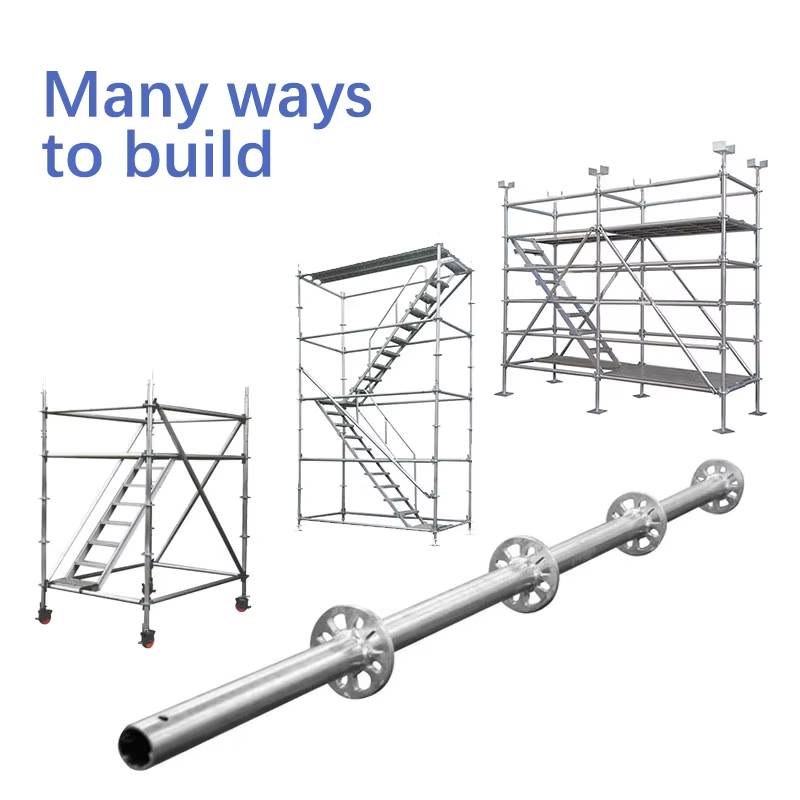
Common Scaffolding Types You May Use
Depending on your needs, you’ll encounter different types of scaffolding:
- Frame scaffolding: Prefabricated sections that are quick to assemble — common in construction.
- Tube and clamp scaffolding: Flexible, customizable system, suitable for complex structures.
- Mobile scaffolding: Equipped with wheels, ideal for moving around the site.
- Suspended scaffolding: Platforms hanging from overhead structures, used for window washing or facade work.
When to Choose the Right Scaffold for the Job
Selecting the proper scaffolding depends on:
- The height of the work area
- The load capacity needed
- The ground conditions (level or uneven ground)
- Access requirements (ladder access vs. stair towers)
- The complexity of the structure
Thinking through these factors helps you choose the right scaffold that ensures safety, efficiency, and compliance with safety standards.
Scaffolding Safety Basics
Before you start building or working on scaffolding, safety should always come first. There are some key safety rules you need to follow to prevent accidents and ensure a safe working environment.
First, always wear the appropriate PPE (Personal Protective Equipment), including helmets, safety harnesses, gloves, and non-slip footwear. Fall protection is crucial, especially when working at heights, so ensure guardrails and toe boards are installed and secure. These are basic yet essential parts of scaffold safety that help protect workers from falling.
Site checks are a must before setting up scaffolding. Inspect the ground for stability—avoid soft or uneven surfaces that could cause the scaffold to shift. Check the weather forecast too; high winds, rain, or lightning can make working on scaffolding dangerous. If conditions aren’t safe, delay work until it’s better. Additionally, always verify the ground conditions to ensure they can support the weight of the scaffold and the workers.
Taking these safety steps before starting work helps create a secure environment and reduces the risk of accidents. For more detailed guidelines on scaffold safety rules, you can review OSHA standards and manufacturer instructions, especially for load limits and proper assembly procedures. Proper preparation and safety practices are the foundation of every successful scaffolding project.
Tools and Materials Needed for Building Scaffolding
To build a safe and stable scaffolding structure, you’ll need a variety of scaffold components and tools. The main scaffold components include scaffold frames, planks, braces, and bases. Scaffold frames form the main structure, while planks and platforms provide working surfaces. Braces and cross members keep everything secure and aligned. For a solid foundation, base plates and standards are essential to evenly distribute weight and prevent uneven settlement.
In addition, you’ll need leveling tools, such as spirit levels, to ensure your scaffold is plumb and level during setup. Ties, clamps, and anchors are crucial for securing the scaffold to the building or structure, ensuring stability against wind or accidental impacts. When it comes to safety and inspection, having safety gear like helmets, gloves, and harnesses, plus inspection tools to check for damaged or worn parts, is a must.
For reliable scaffold assembly, consider quality sources for durable components. For example, check out good-quality steel scaffold planks with hooks or sturdy scaffold frames available locally to ensure your setup meets safety standards.
How to Build Scaffolding
Prepare the work area
Start by clearing the site and making sure the ground is ready for scaffolding setup. Check that the ground is firm, level, and free of debris. If you’re working on uneven ground, consider using steel adjustable scaffolding props to level the base. This helps prevent instability once the scaffold is in use.
Set the base plates and standards
Place sturdy base plates on a solid, level surface. These form the foundation for your scaffold standards—vertical supports that carry the weight. Make sure the base plates sit flat and are properly aligned to avoid leaning or tipping. Secure the standards to the base plates for added stability.
Install the frames and braces
Next, assemble the scaffold frames, including standards and ledgers (horizontal supports). Cross braces are critical—they help stiffen the structure and prevent sway. Install the braces diagonally across the frames, ensuring they are tight and secure. Proper scaffold components make installation smoother and safer.
Add platforms and guardrails
Place the planks or platforms on the ledgers at the desired heights. Ensure they are fully supported and lock in securely. Then, install guardrails and toe boards around the working areas to prevent falls. Guardrails are essential safety features that meet scaffold safety standards.
Secure the scaffold to the structure
If the scaffold touches a building or structure, secure it using scaffold ties or anchors. This prevents movement or tipping, especially in windy conditions or when working at higher elevations. Proper anchoring ensures the scaffold stays stable and safe during use.
Check level, plumb, and stability
Finally, double-check that the entire scaffold setup is level and plumb. Use leveling tools to verify the correct positioning, and test stability by giving it a gentle shake. Confirm that all components are locked and secure before starting work. Regular inspections throughout your project are vital to maintain safety and stability.
Scaffold Setup Tips
Building a safe and stable scaffold setup is essential to prevent accidents and ensure efficient work at height. Here’s what I recommend:
-
Keep the base stable: Use sturdy base plates on a solid, level ground to prevent shifting or sinking. If working on uneven ground, you can use adjustable crank jacks or shims to level the scaffold. Properly spreading the load helps avoid tipping or collapsing.
-
Avoid overloading the platform: Remember, each scaffold platform has a specific load capacity. Overloading it with materials or personnel can be dangerous. Distribute weight evenly and keep the load within the manufacturer’s limits.
-
Work on uneven ground: When working on uneven surfaces, use adjustable base plates or leveling jacks to keep the scaffold stable. Check the ground before setup and make sure the scaffold is plumb and level at all times.
-
Building higher sections safely: As you increase scaffold height, secure each section with appropriate ties or anchoring scaffolding to the structure. Use guardrails and toe boards for added safety. Also, avoid overreaching—use proper access points like ladders or stairs, and never lean out too far from the scaffold.
Following these tips helps minimize risks, making sure your scaffold setup remains safe throughout the project. For more on scaffold components like braces and ties, check out scaffolding couplers.
Scaffolding Inspection Checklist
Regular inspections are essential to keep scaffolding safe for everyone. Here’s a simple checklist to follow before setup, during assembly, before daily use, and after bad weather or movement.
Before setup
- Check the scaffold components: Ensure all scaffold frames, standards, ledgers, braces, and planks are undamaged and free of defects. Damaged parts can compromise the structure’s safety—don’t use broken or bent components.
- Verify ground conditions: Make sure the ground is level, firm, and capable of supporting the scaffold’s load capacity. Use proper base plates and adjustable screw jacks on uneven ground.
- Inspect the area: Remove debris or any obstacles that could cause tripping or falling hazards.
During assembly
- Secure connections: Tighten all clamps, ties, and fasteners. Use appropriate anchors to secure the scaffolding to the structure if necessary.
- Check alignment: Ensure the scaffold is level and plumb at each stage. Use leveling tools to double-check during the build.
- Install guardrails and toe boards: These are crucial for fall protection and preventing tools or debris from falling off.
- Verify load capacity: Confirm that the assembled scaffold doesn’t exceed the manufacturer’s recommended load limits.
Before use each day
- Inspect for damage: Look for any new dents, cracks, or corrosion on scaffold parts.
- Test stability: Push and wiggle the scaffold to see if it remains stable and secure.
- Review safety features: Make sure guardrails, toe boards, and fall protection equipment are properly installed and secure.
- Ensure safe access: Confirm ladder access or stairways are set up, safe, and free of obstructions.
After bad weather or movement
- Re-inspect the structure: Check for any signs of shifting, leaning, or damage caused by wind, rain, or other weather conditions.
- Tighten and re-secure: Re-tighten all connections, ties, and fasteners. Replace damaged parts immediately.
- Update inspection records: Keep detailed logs of inspections, repairs, and maintenance to ensure ongoing safe use.
By sticking to this checklist, you help ensure the scaffold remains safe throughout its use. Regular inspection and maintenance are key parts of scaffold safety, preventing accidents before they happen.
Scaffold Use and Best Practices
Using scaffolding safely is essential for both your safety and the success of your project. When working at height, always follow proper safe climbing and access methods. Use secure ladders or staircase access points, and make sure guardrails and toe boards are in place to prevent falls. Proper scaffold assembly and regular inspection help keep the structure stable and secure.
Moving materials on the scaffold should be done carefully. Use appropriate tools like hoists or tethered buckets instead of overreaching or carrying heavy loads while climbing. Never overload the platform—know the load capacity and distribute materials evenly. Keep walkways clear, and avoid stacking materials in a way that might cause imbalance or falling hazards.
While working at height, there are key do’s and don’ts to remember. Don’t bypass guardrails, remove safety features, or work on a damaged scaffold. Always wear the right PPE for scaffolding, including helmets, harnesses, and fall protection gear. Avoid sudden movements or leaning too far out—overreaching can lead to falls or tipping the scaffold.
Effective team communication is critical. Use clear signals, spot checks, and daily briefings to coordinate actions. Regularly check the scaffold’s stability during use, especially after adding new sections or after bad weather. Taking these best practices seriously helps keep everyone safe and ensures your scaffolding system remains reliable throughout the project.
Common Scaffolding Mistakes to Avoid
When working with scaffolding, there are some common mistakes that can compromise safety and stability. Skipping the foundation check is a big no-no — always ensure the ground is level and stable before setting up your scaffold. Using damaged parts, like broken plank or compromised scaffold frames, can lead to accidents, so always inspect all components thoroughly before use. Missing guardrails or toe boards is a frequent mistake that puts workers at risk of falls, so make sure these safety features are in place on every scaffold.
Overreaching or stacking materials incorrectly is another perilous mistake. It can cause the scaffold to become unbalanced or overload certain sections, increasing the risk of collapse. Always plan your workspace carefully, keep materials organized, and avoid overextending your reach to stay safe while working at height. Remember, proper setup and maintenance are key for scaffold safety, so avoid these pitfalls to protect yourself and your team.
Scaffolding Rules and Compliance
Following scaffolding rules and OSHA regulations is essential to keep everyone safe and your project compliant. OSHA provides clear guidelines for scaffold safety, including proper setup, use, and dismantling procedures. Always adhere to load limits specified by the manufacturer and ensure your scaffolding components, like scaffold frames, are in good condition and installed correctly.
It’s important to remember that if your scaffolding setup involves complex work or high heights, a qualified person should inspect and approve the structure. They understand the nuances of scaffold assembly, ensuring safety standards are met and reducing the risk of accidents. This step is vital to staying compliant with OSHA rules and avoiding costly penalties or worksite injuries.
Scaffold Dismantling
Taking down scaffolding safely is just as important as building it. Always start by following a proper order of removal to prevent accidents or scaffold instability. First, remove any guardrails and toeboards, ensuring workers are protected throughout the dismantling process. Next, carefully take out the planks and platforms, making sure they are not overloaded or dropped unexpectedly. Then, dismantle the cross braces and frames systematically, moving from the top down.
Secure and store all parts properly after dismantling to keep them in good condition for future use. It’s best to keep the scaffold components clean and dry, with a designated storage area so that they’re ready for the next project. Regular maintenance of parts like scaffold frames, couplers, and bases will extend the lifespan of your scaffolding and help you stay compliant with safety standards. For added safety during disassembly, ensure all workers are wearing proper PPE and that the area is clear of debris and tools.
For detailed scaffold dismantling procedures, check out resources on scaffold safety to avoid common mistakes and ensure a smooth, safe process.
Get a Quote & Price List
Tell us the product, quantity and destination port — a sales engineer replies within 24 hours.