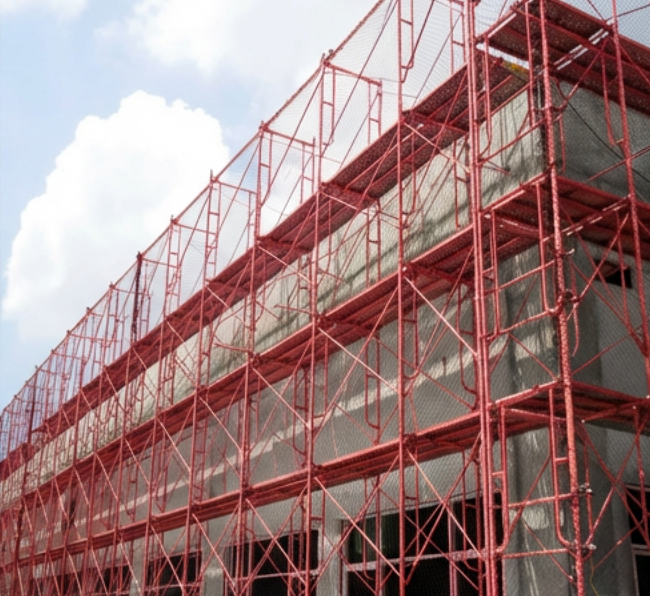
Scaffold planks are essential components of construction safety and efficiency. They provide stable work surfaces for workers at height, reducing the risk of falls and accidents. High-quality, code-compliant scaffold planks ensure structural integrity, supporting heavy loads and meeting strict safety standards. As the construction industry evolves, the demand for heavy-duty, OSHA-compliant scaffold boards continues to grow, driven by global safety regulations and project complexity. Reliable scaffold planks are vital for maintaining productivity, safeguarding workers, and ensuring project success across diverse construction environments.
Scaffold Plank Materials
When I look at scaffold planks, I start with the material. That choice affects safety, weight, span limits, and how the board holds up on site. For global jobs, I usually narrow it down to wood, aluminum, and steel scaffold planks based on the work load and the environment.
Material Comparison
| Material | Best Use | Main Strengths | Main Limits |
|---|---|---|---|
| Wood / LVL | Light to medium jobs | Easy to handle, common, lower upfront cost | Shorter life, more wear, moisture risk |
| Aluminum | Mobile and lighter setups | Low weight, easier to move, good for fast setup | Lower stiffness than steel in heavy-duty use |
| Steel | Heavy-duty work platforms | High load capacity, strong, long service life | Heavier than other options |
Wood and LVL
Wood planks, including Laminated Veneer Lumber (LVL), are still used on many jobs. They are simple to place and easy to cut to size. For basic OSHA compliant scaffold boards, wood can work well when the span and load stay within limits.
Best points: - Familiar and easy to inspect - Good for lighter access work - Often lower cost at the start
Weak points: - Can wear faster in wet or rough conditions - Needs more inspection for cracks, splits, and damage - Not ideal for long-term heavy-duty use
Aluminum Walk Boards
Aluminum walk boards are useful when crews need lighter parts and faster movement. They fit well in changing job sites and shorter-term access work.
Best points: - Light to carry and install - Good for quick handling - Useful in mixed-site operations
Weak points: - Not always the best choice for the heaviest loads - Can be less rigid than steel on longer spans - May not suit every metal scaffolding platform setup
Steel Scaffold Planks
For heavy-duty work, I usually see steel scaffold planks as the most dependable choice. Galvanized steel walk boards and other steel scaffolding accessories are built for demanding use, especially where durability and repeat loading matter.
Best points: - Strong scaffold plank load capacity - Good corrosion resistance when galvanized - Better fit for industrial staging platforms and metal deck scaffolding
Weak points: - Heavier than wood or aluminum - Needs correct handling and storage - Must match the right scaffold plank thickness and span limits
Simple Rule
- Use wood or LVL for lighter access work.
- Use aluminum walk boards when weight and speed matter.
- Use steel scaffold planks for heavy-duty, long-life, and more demanding sites.
For global projects, I focus on ASTM standard scaffolding and other recognized benchmarks so the plank material matches the site load, the climate, and the safety plan.
Steel Scaffold Planks: The Industrial Standard
Galvanized steel scaffold boards are the industry’s go-to for heavy-duty construction. They meet strict safety standards and deliver reliable performance in demanding environments. These scaffold planks are designed to handle high loads while resisting corrosion, making them ideal for long-term use.
Features of Galvanized Steel Scaffold Boards
- High load capacity: Designed to support heavy weights, meeting OSHA and ASTM standards.
- Durability: Built to withstand tough conditions, with a galvanized coating that prevents rust.
- Corrosion resistance: Perfect for outdoor or harsh environments, ensuring a long lifespan.
Advantages Over Aluminum and Wood
| Feature | Steel Scaffold Planks | Aluminum Walk Boards | Wooden Scaffold Boards |
|---|---|---|---|
| Load capacity | Higher, suitable for heavy-duty use | Moderate, lighter but less supporting | Lower, suitable for light work |
| Durability | Excellent, resistant to impacts and wear | Good, but softer and prone to dents | Less durable, susceptible to rot and damage |
| Corrosion resistance | Superior with galvanization | Good, but can corrode without coating | Poor, needs frequent maintenance |
Steel scaffold planks excel in heavy-duty environments where safety and longevity are critical. They outperform aluminum and wood in load capacity, durability, and resistance to corrosion, making them the preferred choice for industrial staging platforms and metal scaffolding platforms.
Scaffold Plank Specs
Thickness, Width, and Length
For scaffold planks, I keep the sizing simple: the right board is the one that matches the job, the span, and the working load. For steel scaffold planks, especially galvanized steel walk boards and metal deck scaffolding, the main checks are thickness, width, length, and support points.
| Item | What I look at | Why it matters |
|---|---|---|
| Scaffold plank thickness | Must suit the duty class and span | Thicker boards usually handle more load and flex less |
| Width | Needs stable footing for workers and tools | Wider boards improve balance on heavy-duty work platforms |
| Length | Must match the bay and frame layout | The wrong length can reduce safety and increase deflection |
| Finish | Galvanized or corrosion-resistant surface | Helps the board last longer outdoors |
| End design | Hook-on scaffold boards or supported ends | Affects fit, stability, and installation speed |
Load and Span Control
Size changes load capacity. A longer plank usually needs tighter span limits and stronger support control. If the board flexes too much, the risk goes up fast.
- Shorter spans = better stiffness and less deflection
- Longer spans = higher stress and more careful support planning
- Heavier use = stronger scaffold plank load capacity is needed
- Industrial staging platforms = usually need stricter sizing checks than light access work
For OSHA compliant scaffold boards and ASTM standard scaffolding setups, I treat span control as a safety issue, not a guess. The same goes for aluminum walk boards and Laminated Veneer Lumber (LVL) boards: the material changes, but the size-to-load rule stays the same.