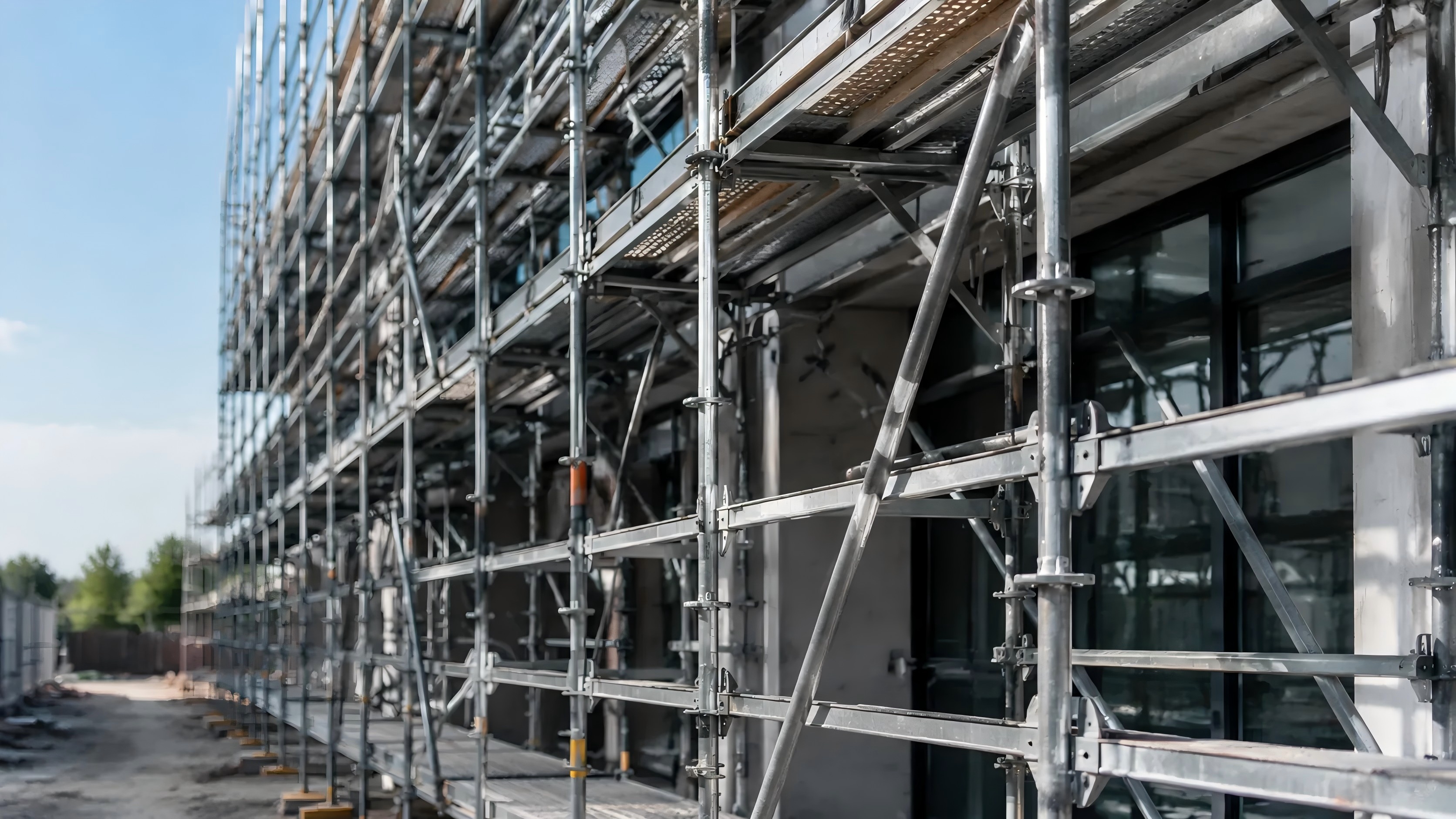
Metal scaffolding is my first choice when the job calls for strength, stability, and repeat use. For heavy-duty work, steel frames and structural steel pipes give me a stronger base than lighter access systems.
Why Steel Scaffolding Works Better
- Higher load-bearing capacity for demanding work platforms
- Better suited to heavy tools, materials, and crew traffic
- Strong performance in large-scale commercial and industrial jobs
- A better fit when I need reliable support over longer project timelines
When Aluminum Makes More Sense
- I use aluminum when weight and fast handling matter more than maximum strength
- It can help on light-duty, short-term, or mobile access jobs
- It is easier to move, but it is not the best fit for every high-load application
Where Tubular Scaffolding Fits
- Tubular scaffolding systems work well when I need flexibility on site
- They are practical for custom layouts, exterior access, and mixed-height work
- With the right scaffolding accessories, tubular systems can adapt to many real-world project needs
Quick Comparison
| System | Best For | Main Advantage |
|---|---|---|
| Metal scaffolding | Heavy-duty access | Strength and durability |
| Aluminum scaffolding | Light-duty access | Lower weight and faster movement |
| Tubular scaffolding systems | Flexible projects | Adaptability on site |
Metal Scaffolding Types
When it comes to metal scaffolding, choosing the right type depends on the project’s specific needs. Here are the most common systems:
Tube and Clamp Scaffolding
This traditional system uses steel pipes connected with couplers and clamps. It’s highly flexible, allowing custom configurations for complex structures. Galvanized steel pipe for scaffolding ensures durability and corrosion resistance, making it ideal for long-term outdoor use.
Modular Scaffolding Frames
These are pre-fabricated steel frames that can be quickly assembled and disassembled. They’re perfect for projects requiring fast setup and teardown. Modular scaffolding offers stability and safety, especially when combined with high-quality structural steel pipes.
Supported Scaffolding for Exterior Work
Designed for building facades, bridges, or large exterior surfaces. Supported scaffolding uses steel beams and platforms to provide a safe working surface at height. Heavy-duty factory-direct steel tubing ensures load capacity and safety compliance.
Mobile Tower Setups for Lighter Access Needs
Ideal for interior or short-term projects, mobile towers are lightweight and easy to move. They often use steel scaffolding accessories like casters and adjustable bases for quick repositioning. These setups are cost-effective for tasks like painting or maintenance.
Each type of metal scaffolding offers unique advantages, but all rely on high-quality steel pipes and accessories to ensure safety and efficiency on the job site.
Steel vs. Aluminum Scaffolding
Choosing between steel and aluminum scaffolding depends on your project needs. Both have pros and cons in key areas:
| Aspect | Steel Scaffolding | Aluminum Scaffolding |
|---|---|---|
| Load-Bearing Capacity | Higher, ideal for heavy-duty jobs | Lower, suitable for light to medium tasks |
| Corrosion Resistance & Service Life | Hot-dipped galvanized steel offers excellent rust protection | Naturally corrosion-resistant, lasts long outdoors |
| Weight & Transport | Heavier, harder to move and assemble | Lightweight, easier to transport and set up |
| Assembly Speed | Takes longer due to weight | Faster, saves time on site |
| Cost per Project | Slightly more expensive initially | Usually cheaper upfront but may need replacement sooner |
| Long-Term Reuse | Very durable, reusable many times | Reusable but may wear faster in harsh conditions |
Main Takeaway: Steel scaffolding is best for heavy-duty, long-term use and high load capacity. Aluminum offers quick setup and easier handling for lighter, shorter-term projects. Your choice should match your project’s weight, safety, and budget needs.
Structural Steel Pipes for Scaffolding
I start with the pipe, because it sets the tone for the whole metal scaffolding system. If the pipe is right, the structure is easier to trust, easier to inspect, and better suited for heavy-duty work.
Galvanized Pipe
Galvanized steel pipe for scaffolding is a practical choice for outdoor jobs and repeated site use. I look for hot-dipped galvanized pipes when rust protection matters, since the coating helps the pipe stand up better in harsh working conditions.
| Pipe Type | Best Use | Main Point |
|---|---|---|
| Hot-dipped galvanized pipe | Outdoor scaffold frames | Better rust protection |
| Seamless pipe | Higher-demand structural use | No welded seam |
| Welded pipe | General scaffold supply | Common option for bulk projects |
Seamless vs. Welded
For seamless vs. welded pipe selection, I keep it simple:
- Seamless steel pipe works well when I want a strong, clean tube body.
- Welded pipe is a standard option for many scaffold builds.
- I match the pipe type to the project plan, budget, and safety requirements.
- For wholesale tubular scaffolding systems, I always check the full spec, not just the price.
Size and Strength
Wall thickness, diameter, and strength requirements matter just as much as the pipe type. I review them against the expected load-bearing capacity, platform layout, and site conditions.
- Thicker walls usually support tougher use.
- Diameter must fit the scaffold design and connectors.
- The pipe should meet the needed safety standard for the job.
- I also verify material checks under BS 1139 compliance, ASTM, and JIS where required.
What I Verify
Before I buy, I ask for:
- Material grade details
- Pipe size and wall thickness
- Inspection records
- Compliance documents
- Clear traceability for structural steel pipes and factory-direct steel tubing