Ladders vs Scaffolding for Construction and Maintenance
When tackling construction or maintenance projects, the big question is often: Should I use ladders or scaffolding? Both tools are essential, but each has its specific uses, advantages, and safety considerations.
What are ladders and scaffolding used for?
- Ladders are perfect for quick, short-term access to elevated areas. Think repairs, painting, or small fixes.
- Scaffolding provides a stable platform for longer projects, especially when working at multiple heights or over a larger area.
Why do safety and compliance matter?
- Working at height involves risks like falls or equipment failure.
- OSHA and other safety standards set rules to protect workers and ensure safe setup and use of ladders and scaffolding.
- Proper safety gear, regular inspections, and correct setup are critical to prevent accidents.
When should you choose ladders vs scaffolding?
- Use ladders for quick, low to moderate height jobs, especially indoors or in tight spaces.
- Opt for scaffolding when working at higher elevations, over a large area, or for jobs requiring multiple workers at different levels.
Choosing the right tool isn’t just about convenience — it’s about safety, efficiency, and compliance. Knowing when to use ladders or scaffolding can make your project safer and more productive.
Types of Ladders for Construction and Maintenance
When it comes to choosing the right ladders and scaffolding, understanding the different types of ladders is key. Each has its own strengths and best uses, depending on the job.
Step Ladders and Where They Work Best
Step ladders are versatile and great for indoor tasks or short work at low heights. They don’t need to be leaned against a wall, making them easy to set up on flat surfaces. You’ll find them useful for painting, changing light bulbs, or reaching shelves. They come in various heights, but generally, they’re best for jobs up to 8 feet.
Extension Ladders for Higher Reach
Extension ladders are designed for taller jobs. They can extend to reach rooftops, tall windows, or second floors. These ladders lean against a surface for stability. They’re ideal for outdoor work, like cleaning gutters or fixing roofs, where higher access is needed.
Telescoping Ladders for Portable Jobs
Telescoping ladders are perfect if you need something lightweight and portable. They collapse down to a compact size, making them easy to carry and store. They work well for quick jobs or when you need to move the ladder around often, such as in maintenance tasks or on service calls.
Specialty Ladders: Platform, Attic, and Multi-Position
There are also specialty ladders designed for specific tasks:
- Platform ladders provide a stable standing area, great for painting or electrical work.
- Attic ladders are built for accessing attic spaces safely.
- Multi-position ladders can be converted into step ladders, extension ladders, or scaffolding-like structures, offering flexibility for various jobs.
Choosing the right type of ladder depends on your project needs, height, and how portable or stable you need the equipment to be.
Types of Scaffolding
When it comes to scaffolding, there are several types to suit different jobs and environments. Understanding the basics can help you choose the right scaffolding for your project.
Frame Scaffolding Basics
Frame scaffolding is one of the most common types used in construction. It’s made of pre-assembled frames that lock together, creating a sturdy platform. This type is great for building exteriors, repairs, and maintenance work because it’s quick to set up and stable.
Tube and Coupler Scaffolding Flexibility
Tube and coupler scaffolding offers high flexibility. It’s made of metal tubes connected with couplers, allowing for custom shapes and sizes. This makes it ideal for complex projects or structures that need a tailored scaffold setup. It’s often used in industrial settings or for projects with unique designs.
Modular Scaffolding and Easy Assembly
Modular scaffolding systems are designed for quick and easy assembly. They come with standardized components that fit together without much fuss. This type is perfect for projects that require frequent changes or adjustments, like renovations or interior work.
Mobile Scaffolding for Moving Work Areas
Mobile scaffolding, also called mobile scaffold towers, have wheels for easy movement. They’re perfect for jobs that need to shift location often, such as painting or electrical work inside buildings. These allow workers to stay safe while moving around the site efficiently.
Choosing the right type of scaffolding depends on your project size, complexity, and whether you need mobility or customization. Always keep safety standards in mind when selecting and setting up your scaffolding system.
Ladder and Scaffolding Materials: Choosing the Right Option
When it comes to ladders and scaffolding, the material you choose can make a big difference in safety, durability, and ease of use. The most common materials are aluminum, steel, and wood, each with its own pros and cons.
Aluminum Ladders and Scaffolding
- Lightweight and easy to carry, making them ideal for jobs that require frequent moving or outdoor work.
- Corrosion-resistant, so they last longer outdoors.
- Great for DIY projects and professional use where weight matters.
Steel Ladders and Scaffolding
- Known for strength and durability.
- Heavier than aluminum but can handle heavier loads.
- Suitable for heavy-duty construction and industrial tasks.
- Require more maintenance to prevent rust, especially if used outdoors.
Wooden Ladders and Scaffolding
- Traditional choice, often used in interior settings.
- Usually cheaper, but they are heavier and less durable over time.
- Not as resistant to weather or moisture, so they need proper storage and care.
How to Pick the Right Material
- For outdoor jobs or frequent use, go with aluminum because of its lightweight and weather resistance.
- For heavy-duty construction or industrial work, steel offers the strength and load capacity needed.
- For indoor or light tasks, wooden ladders can be a cost-effective option, but always check safety standards.
Choosing the right material depends on your specific needs, job environment, and safety requirements. Always consider load capacity, weight, and durability to make the best choice for your project.
Ladders and Scaffolding Safety Standards
When working with ladders and scaffolding, safety isn’t optional — it’s a must. OSHA (Occupational Safety and Health Administration) and other safety standards set clear rules to keep everyone safe at height. These rules cover everything from how to properly inspect and set up your equipment to what safety gear to wear.
Inspection and Setup Checks
Before using ladders or scaffolding, always do a quick safety inspection. Look for:
- Cracks, dents, or rust on ladders and scaffolding materials.
- Proper stability — make sure the base is level and secure.
- Locking mechanisms and braces are in place and working.
- For scaffolding, check guardrails, planks, and access points for any damage or loose parts.
PPE for Working at Height
Personal Protective Equipment (PPE) is critical. Always wear:
- Fall protection gear like harnesses and lanyards.
- Hard hats to protect your head.
- Non-slip footwear for better grip.
- Gloves and eye protection if needed.
Common Hazards and How to Avoid Them
Working at height comes with risks. Here’s how to stay safe:
- Falls: Always secure ladders and scaffolding properly. Use fall protection gear.
- Slips and trips: Keep work areas tidy. Avoid clutter on platforms.
- Unstable setups: Ensure scaffolding is level and on firm ground. Never overreach on ladders.
- Electrical hazards: Keep ladders and scaffolding away from power lines.
Following these safety standards and safety gear tips helps prevent accidents and keeps your job site compliant with OSHA and other safety rules. Remember, safety first saves lives.
Choosing the Right Equipment: Ladders and Scaffolding
Picking the right ladders and scaffolding depends on a few key factors. First, consider the height you need to reach. For taller jobs, extension ladders or taller scaffolding will be necessary. Make sure the equipment’s load capacity matches what you’ll be carrying—tools, materials, and workers. Overloading can be dangerous, so always check the manufacturer’s specs.
Next, think about whether you’ll be working indoors or outdoors. Indoor tasks often require lighter, more portable ladders like step ladders or telescoping models. Outdoor jobs might need more sturdy, weather-resistant scaffolding or heavy-duty ladders that can handle wind and rain.
The project type and environment matter too. Small repairs or painting? A simple step ladder might do. Large construction or maintenance projects? You’ll want more robust scaffolding systems, such as modular or mobile scaffold towers, for stability and safety.
Finally, decide if you’re doing this as a professional or a DIY project. Professionals often need high-capacity, durable equipment that complies with safety standards like OSHA. DIYers might look for more affordable, easy-to-setup options, but safety should always come first.
In short:
- Match equipment height and load capacity to your task.
- Use lightweight ladders for indoor or quick jobs.
- Choose sturdy scaffolding for bigger, outdoor projects.
- Always follow safety standards, no matter the job size.
Safe Ladder Setup and Use
Setting up and using ladders safely is crucial to prevent accidents and injuries. Here’s how I make sure I do it right:
- Place the ladder on a stable, level surface. Make sure the footing is firm and secure before climbing.
- Secure the ladder properly. If possible, tie it off at the top or bottom to prevent slipping or shifting during use.
- Use the three points of contact rule. Always keep two hands and one foot, or two feet and one hand, touching the ladder when climbing or working.
- Check the angle. The ladder should be at about a 75-degree angle—roughly one foot away from the wall for every four feet of height.
- Inspect the footing. Ensure the base is free of mud, oil, or anything that could cause slipping.
- Avoid common mistakes. Never stand on the top rung or step, and don’t overreach—move the ladder instead.
- Use proper ladder safety gear. Wear gloves and non-slip shoes, and consider fall protection if working at height for extended periods.
By following these simple steps, I help keep the job safe and avoid accidents. Proper setup and cautious use are key to working confidently with ladders.
Safe Scaffolding Assembly and Use
When working with scaffolding, proper assembly is key to safety and efficiency. Always follow the manufacturer’s instructions and local safety standards, like OSHA scaffold rules, to ensure everything is set up correctly.
Proper Scaffold Assembly Steps
- Check all parts before starting. Make sure everything is in good condition and free from damage.
- Assemble on a flat, stable surface. Level the base and use adjustable scaffolding platforms if needed.
- Secure all connections tightly. Use the right couplers, clamps, and fasteners to hold the structure together.
- Install guardrails and toe boards. These help prevent falls and falling objects.
- Add access points such as ladders or stairs for safe entry and exit.
- Level the scaffold regularly during assembly to avoid wobbling or tipping.
Ensuring Stability and Leveling
- Use base plates and mudsills if working on uneven ground.
- Check for levelness after assembly and adjust as needed.
- Tie the scaffold to the building or structure for extra stability, especially for taller setups.
- Avoid overloading the scaffold—know the load capacity and stick to it.
Working Safely on Scaffold Platforms
- Always stand on the proper platform, not the guardrails.
- Keep tools and materials organized to avoid tripping hazards.
- Use fall protection gear, like harnesses, when working at height.
- Never modify or bypass safety features.
- Regularly inspect the scaffold for loose parts, damage, or instability before use.
Following these steps helps prevent accidents and keeps everyone safe while working at height on scaffolding. Proper assembly and regular checks are essential for a safe working environment.
Maintenance, Inspection, and Storage of Ladders and Scaffolding
Keeping your ladders and scaffolding in good shape is key to safe and reliable use. Regular maintenance and inspections help prevent accidents and extend the lifespan of your equipment.
Routine Maintenance Tips
- Clean after use: Wipe down ladders and scaffolding to remove dirt, mud, or debris. This helps spot damage early.
- Check for damage: Look for cracks, bends, or corrosion, especially on aluminum and steel ladders.
- Lubricate moving parts: For telescoping ladders or adjustable scaffolding platforms, apply a light lubricant to joints and locks.
- Tighten bolts and fittings: Ensure all screws, nuts, and clamps are secure before each use.
What to Check Before Each Use
- Stability and footing: Make sure ladders are placed on a flat, firm surface. For scaffolding, check that all base plates and wheels are secure.
- Inspect for damage: Look for cracks, rust, or missing parts. Never use damaged ladders or scaffolding.
- Safety features: Confirm guardrails, safety locks, and anti-slip feet are in place and working.
- Proper setup: Ensure ladders are at the correct angle and scaffolding is level and stable.
How to Store Ladders and Scaffolding
- Store indoors when possible: Keep equipment in a dry, covered space to prevent rust and weather damage.
- Hang or rack: Use wall hooks or racks to keep ladders off the ground and prevent warping.
- Keep away from chemicals: Store away from corrosive substances that can weaken materials.
- Regularly inspect stored gear: Even when not in use, check for signs of damage or deterioration.
Proper maintenance, inspection, and storage not only keep your ladders and scaffolding safe but also save you money in the long run. Taking a few minutes each time can make a big difference in safety and equipment longevity.
Frequently asked questions
Is a ladder ever acceptable instead of scaffolding?
Yes, but only for very short, low-risk tasks: a few minutes of work at low height on stable ground, keeping three points of contact at all times. Any task that is higher, longer, needs both hands, or involves tools and materials should move to scaffolding or a work platform. National work-at-height rules (OSHA, EN 12811 practice) are stricter than most teams expect — when in doubt, use a scaffold.
At what height should a ladder be replaced by scaffolding?
General practice across most jurisdictions is that recurring work above roughly two metres, or any task that requires carrying materials, is safer from a scaffold. Exact thresholds follow national rules and site risk assessments, so check the local code and let your supplier know the working height when asking for a quote.
Why do maintenance teams choose scaffolding over ladders?
Scaffolding frees both hands, provides a solid deck for tools and materials, allows edge protection and lets several workers operate at the same level. For ongoing plant maintenance, facade repairs or warehouse access, the setup time pays back quickly in safety and productivity.
Which scaffold system suits maintenance and construction work?
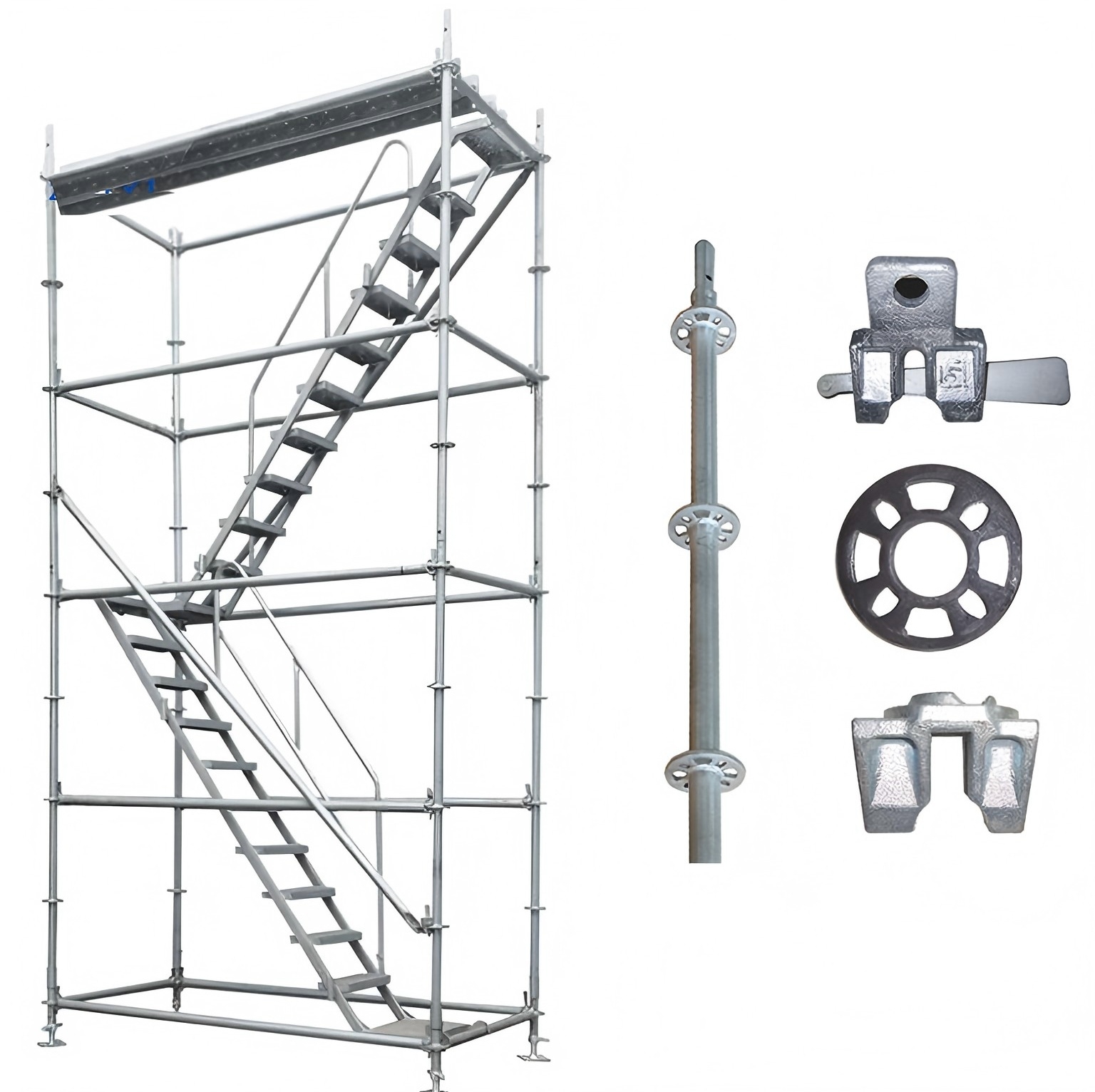
For quick-erect general access, ringlock, cuplock or kwikstage systems are the usual choices — cuplock is the most economical, ringlock handles heavier or more complex geometry. Tell us the application and we will recommend a system with load tables for your site.
Need a quotation for your project?
Sino East Steel Group manufactures ringlock, cuplock, kwikstage and wedge lock systems in Tianjin, China and exports to 50+ countries. Tell us the task, height and site location and our engineers will recommend the right access solution.
Or e-mail [email protected] — we reply within 24 hours.
Get a Quote & Price List
Tell us the product, quantity and destination port — a sales engineer replies within 24 hours.