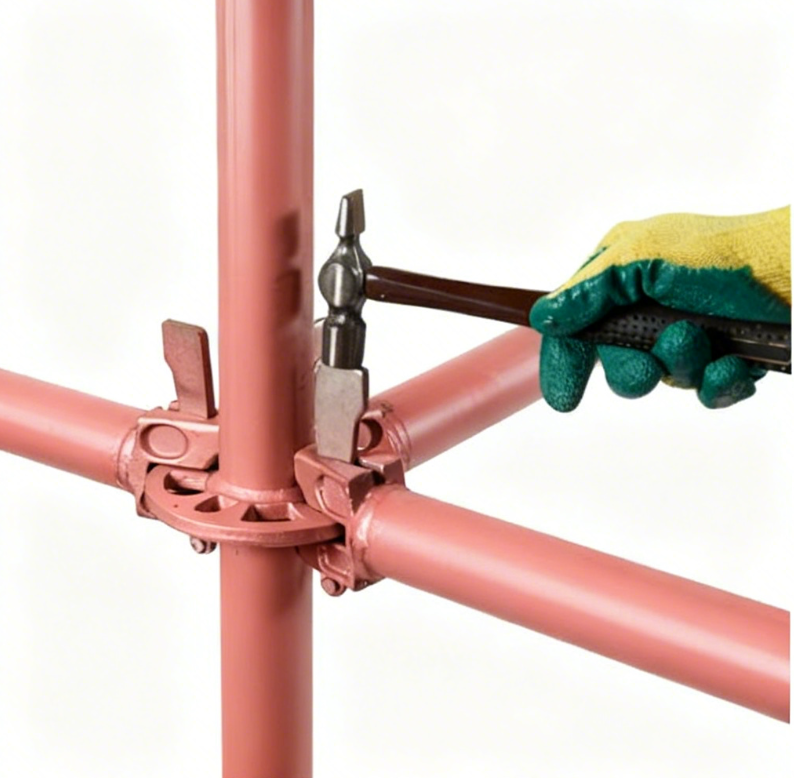
What Is Scaffolding?
Scaffolding is a temporary structure that provides a safe and stable platform for workers, tools, and materials during building, repair, or maintenance projects. It typically consists of a framework of metal or wooden parts assembled to reach elevated work areas.
Why Scaffolding Matters for Construction Safety and Access
Using proper scaffolding is crucial for safety and efficiency on any construction site. It ensures workers have secure access to hard-to-reach areas and reduces the risk of falls or accidents. Without reliable scaffolding, tasks become unsafe and can lead to costly delays or injuries.
Common Types of Scaffolding Used in Building Projects
Depending on project needs, different types of scaffolding are used, including:
- Frame Scaffolding: Easy to assemble, suitable for most construction projects.
- System Scaffolding: Modular, customizable, ideal for larger or complex structures.
- Suspended Scaffolding: Hangs from above, often used for exterior repairs.
- Mobile Scaffolding: On wheels, offers mobility for quick repositioning.
- Tube and Coupler Scaffolding: Flexible options for irregular or intricate designs.
Understanding these foundational aspects of scaffolding helps ensure proper setup, safety, and efficient workflow during your building project.
Scaffolding Planning
Proper scaffolding planning is crucial for a safe and efficient construction project. The first step is to assess the job site — look at the space available, ground conditions, and surrounding environment. If the ground is uneven or soft, you\'ll need to stabilize it with base plates or leveling jacks before assembly. This helps prevent tipping or sinking during use.
Next, you need to choose the right scaffolding type based on your project needs. For example, frame scaffolding works well for many building jobs, while more complex jobs might require system scaffolding or cantilever setups. It\'s important to select scaffolding that matches the height, weight, and access requirements of your work.
Then, measure height, width, and load needs carefully. Determine how high the scaffolding must go and ensure it can support tools, materials, and workers safely. Be sure to account for extra weight from materials and equipment—overloading can cause accidents.
Also, check ground conditions and space around the structure. Stable, level ground is essential for safety. If the site has limited space, plan how to safely erect and dismantle the scaffolding without disrupting existing structures or overhead wires.
Planning carefully ensures your scaffolding setup is safe, stable, and suited to your specific construction project. It’s a good idea to review local OSHA or safety rules during this phase, especially regarding load capacity and site preparation.
Scaffolding Materials and Parts
Building safe and reliable scaffolding starts with the right materials and parts. You\'ll need a selection of components like frames, braces, and planks to create a sturdy work platform. Scaffold frames are the main vertical supports, while braces provide lateral stability to prevent shifting or collapsing. For the platform itself, high-quality scaffolding planks—such as those made of galvanized steel or sturdy wood—are essential for safe work surfaces. You can find durable scaffold planks with hooks that make installation easier and safer here.
Base plates are used to distribute weight evenly on the ground, preventing sinking or tipping. Casters can make scaffolding mobile, but they must be used carefully with proper locks. Leveling jacks are another important part for adjusting the height on uneven ground and ensuring stability. Guardrails, toe boards, and ties are critical safety features that prevent falls and protect workers from falling objects.
Couplers, clamps, and connectors are the tiny but vital pieces that join and secure different parts of the scaffolding together. They lock everything in place and maintain the overall stability of the structure. Picking the right combination of these scaffolding materials and parts ensures your scaffold setup is safe, compliant, and durable for any construction project.
Scaffolding Safety Requirements
Following OSHA and local safety rules is essential for any scaffolding setup. These regulations help prevent accidents and ensure everyone stays safe on-site. Always check the specific rules applicable in your area, as they may vary.
Weight Limits and Load Ratings
Every scaffold has a maximum load capacity — including workers, tools, and materials. Overloading can cause the scaffolding to collapse. It’s important to:
- Know the load class and capacity ratings for your scaffold system
- Avoid exceeding those limits, especially with heavy tools or materials
- Distribute weight evenly across the platform
You can find detailed load capacity info when selecting scaffolding materials, like steel props and frames, to ensure safe working conditions.
Fall Protection Basics
Fall protection is a must on any scaffolding project. Use guardrails, toe boards, and personal fall arrest systems to prevent falls. Key points include:
- Installing proper guardrails along open sides and edges
- Using toe boards to prevent tools or materials from falling
- Securing workers with harnesses when working high up
Inspection Before Setup and Use
Before starting work each day, always inspect the scaffolding carefully. Check for:
Inspection Point
What to Look For
Structural parts
Cracks, corrosion, or bent components
Connections and couplers
Loose or damaged clamps and fasteners
Levelness
Ensure scaffolding is on a flat, stable surface
Safety features
Guardrails, toe boards, and ties are secure
Regular inspections help catch issues early and keep the scaffolding safe for everyone working on it. For added safety, consider using high-quality scaffolding materials, such as steel scaffolding, which are durable and reliable.
How to Build Scaffolding Step by Step
Preparing the Site
Start by checking the ground where you plan to set up your scaffolding. The site needs to be stable, level, and free of debris or loose soil. If the ground isn\'t solid, consider laying a foundation of wooden boards or concrete pads for extra stability. Proper site prep helps prevent accidents like tipping or sinking, which are common scaffolding safety concerns.
Setting the Base and Starting Level One
Next, lay the base plates or steel props on the prepared ground. Make sure these are firmly placed and level using leveling jacks if needed. It’s crucial to ensure the first level of scaffolding is perfectly horizontal—this sets the foundation for the entire structure. Once the base is stable and level, you can assemble the first set of scaffold frames or standards.
Installing Frames or Standards
Attach the vertical scaffolding standards or frames to the base plates. These serve as the main support for the entire scaffold system. Use appropriate couplers, clamps, or connectors to secure them tightly. Remember, proper assembly of these frames is essential for scaffolding safety and stability.
Adding Braces, Platforms, and Planks
Now, install cross braces and horizontal supports to brace the structure and keep it rigid. Add scaffold platforms or planks on the working levels. These should always be placed securely and span the width of the scaffold to provide a safe work platform. Use guardrails, toe boards, and securing clamps to enhance worker safety.
Building Upward Safely
Continue to add levels, making sure each new section is properly anchored and tied to the previous one. Regularly check the level and stability as you build higher. Always follow OSHA and local safety rules, especially regarding load capacity and fall protection. Never compromise safety for speed—build gradually, check for loose connections, and reinforce the structure as needed.
Following these steps ensures your scaffolding setup is safe, stable, and ready for use in your building project. If you want to explore more about scaffold assembly or reliable materials, sino scaffold offers high-quality options for construction scaffolding.
Scaffolding Stability and Support
Ensuring scaffolding stability is crucial for safety and efficiency on any construction site. Proper leveling is the first step—use a spirit level or laser level to make sure the scaffolding is perfectly horizontal and vertical before building upward. If the ground isn’t even, add leveling jacks or adjustable bases to keep the structure stable.
Next, anchoring and tying the scaffolding to the building or a secure structure is essential for preventing movement. Use scaffold ties and braces as per OSHA scaffolding rules to secure the frame and reduce sway. For additional support, outriggers can extend the base outward, increasing stability, especially on soft or uneven ground.
Cross bracing also plays a key role. They provide lateral support, preventing tipping and shifting during use. Diagonal braces are particularly effective at adding rigidity and preventing the scaffolding from collapsing under load or wind. Properly installing these braces, along with securing all connections tightly with scaffolding clamps, can significantly boost the overall support system.
Remember, avoiding tipping, shifting, and sinking requires attention to these details. Regularly inspect all supports and bracing throughout the project. If any part shows signs of damage or wear, replace it immediately to maintain maximum safety and stability. Proper scaffolding support isn’t just about following rules; it’s about protecting everyone working at height.
Scaffold Platform Setup
Setting up the scaffold platform correctly is key to ensuring safety and efficiency. First, proper plank placement is essential. The planks or scaffold boards should lay securely on the scaffold frame or support brackets, with no overhang that could cause instability. Make sure the platform width is safe for workers and materials—generally, a minimum of 18 inches wide is recommended for safe working space.
Securing platforms against movement is critical. Use fasteners, clamps, or lock-in devices to prevent the planks from shifting or slipping. This reduces the risk of falls or dropped tools. For added safety, ensure platforms are properly tied to the scaffold frames using scaffold ties or adjustable hooks.
Finally, safe access points and ladders should be installed for easy, secure entry onto the platform. This helps workers reach work areas safely and reduces the chance of falls when climbing. Always check that ladders are firmly anchored and that access points are clear of obstructions. Proper scaffold platform setup not only meets OSHA scaffolding rules but also keeps everyone safe on the job site. For more details on scaffold components and setup, visit sino scaffold\'s scaffold system page.
Scaffolding Height and Load Limits
Understanding how high scaffolding can safely go is key for any construction project. The maximum height depends on the type of scaffolding system, the ground conditions, and proper stability measures. Most standard scaffolding systems can reach up to 30 meters (about 100 feet), but this varies. Always check local safety rules and manufacturer guidelines before building too high.
Load classes and capacity rules are equally important. Every scaffold has a load capacity rated for the weight of workers, tools, and materials. Overloading can cause instability and accidents. Typically, scaffolding is rated to hold between 150 kg and 225 kg per square meter, but this varies based on the system. It’s critical to avoid overloading with tools, equipment, or materials that exceed these limits.
When your project requires more weight or height beyond standard scaffolding capabilities, it’s time to use a stronger system or add additional support. This might include reinforced scaffolding frames, outriggers, or more robust bracing. Proper planning helps prevent accidents caused by tipping or collapsing due to excessive load or height.
Always ensure that your scaffolding setup follows the recommended height and load limits. Regular inspection and adherence to safety standards keep your site safe and compliant with regulations. If you need durable and reliable scaffolding options suited for higher or heavier work, check out these scaffolding systems
Scaffolding Inspection and Maintenance
Regular inspection and maintenance are essential to keep scaffolding safe and reliable throughout the project. Before each use, I go through a daily inspection checklist to catch any issues early. This includes checking for damaged parts, such as bent or cracked frames and corroded components. It’s crucial to tighten all loose connections, such as couplers, clamps, and brackets, to prevent instability. If any parts, like guardrails or toe boards, are worn or show signs of damage, I replace them immediately to maintain safety standards.
For added safety, I also pay attention to the load capacity of the scaffolding—ensuring it’s not overloaded with tools or materials. Regular maintenance and prompt replacement of worn parts help prevent accidents, especially when working at height. Following OSHA scaffolding rules and conducting thorough inspections, including on-site checks for dirt, weather damage, and structural integrity, are key steps for safe scaffold setup and ongoing use. Plus, I keep detailed records of inspections and repairs to track the scaffold’s condition over time.
For high-quality scaffolding parts that last longer and enhance safety, I recommend checking out suppliers that offer durable, corrosion-resistant components, such as hot-dip galvanized scaffolding pipe and tube. Regular inspection and maintenance are simple but crucial steps to ensure your scaffolding remains safe and efficient for all users.
Common Scaffolding Mistakes
Building scaffolding properly is crucial for safety and efficiency. But many mistakes happen that can cause accidents or delays. Here are some common scaffolding mistakes to watch out for:
-
Uneven ground setup: If the ground isn\'t level or stable, the entire scaffold could shift or tip over. Always check the site and use leveling jacks or base plates to ensure a solid foundation. Proper site preparation reduces the risk of scaffolding sinking or leaning.
-
Missing guardrails or braces: Guardrails, toe boards, and cross braces aren’t optional—they protect workers from falls and prevent tools from falling off the platform. Missing or incomplete safety features can lead to serious injuries. Make sure your scaffold has all the necessary guardrails and braces tied securely.
-
Using damaged equipment: Damaged or worn-out scaffold parts, like couplers and planks, compromise stability. Regular inspection before use helps catch these issues early. Replace any worn or broken parts, especially scaffold couplers, to keep the structure safe.
-
Ignoring weather and wind conditions: Wind, rain, or snow can make scaffolding unstable or slippery. High winds, in particular, can cause tipping or collapse. Always check the weather forecast before starting work, and don\'t use scaffolding in unsafe conditions.
Avoiding these common mistakes is key to ensuring a safe working environment. Proper planning, regular inspections, and attention to safety rules help you build scaffolding that’s both stable and safe for everyone involved.
Scaffolding Removal and Dismantling
Removing scaffolding safely is just as important as building it correctly. To avoid accidents or damage, you need a proper plan for dismantling the scaffolding system. Start by taking down the upper sections first, working your way down in a controlled manner. This prevents unexpected tipping or shifting of the structure.
Be sure to remove parts in the right order—loosening braces, removing guardrails, then disassembling frames—to keep the process steady and safe. As you dismantle, organize and store all materials like scaffold planks, couplers, and braces in a designated area. Proper storage keeps your tools and parts accessible and prevents accidents on-site.
After all parts are removed, clean up the work area thoroughly. Sweep away debris, remaining materials, and any leftover tools. This not only keeps the site safe but also prepares it for the next project phase or inspections. Remember, safe dismantling protects everyone involved and extends the life of your scaffolding system.
Scaffolding Safety Tips for DIY and Professional Users
Knowing when to hire a professional is important for safe scaffolding setup and use. If you\'re unfamiliar with scaffold assembly or working at high heights, it’s best to get experienced help. Professionals are trained to ensure the scaffolding setup meets all safety standards, including proper scaffold assembly and scaffolding safety checks.
Avoid working on scaffolding alone, especially at heights. Having someone nearby helps prevent accidents, provides assistance if needed, and ensures safety protocols are followed. Always use proper fall protection and secure guardrails before climbing on the scaffold.
Working near power lines can be extremely dangerous. Keep a safe distance as specified by OSHA and local safety rules. Using insulated tools and maintaining awareness of the surroundings helps prevent electrical hazards. If necessary, coordinate with power companies to shut off nearby lines before starting work.
Weather conditions also impact scaffolding safety. High winds, rain, or snow can weaken stability or cause slips. Avoid working on scaffolding during bad weather, and regularly check for strong winds or rain if you’re working outdoors. Always evaluate the site and weather conditions to prevent accidents.
To stay safe, remember: if in doubt, call in a pro, especially for complex or high-risk jobs. Proper planning, safety gear, and caution are key to avoiding injuries and ensuring your project runs smoothly. For high-quality, adjustable scaffolding options, check out sinoscaffold products.
Get a Quote & Price List
Tell us the product, quantity and destination port — a sales engineer replies within 24 hours.